
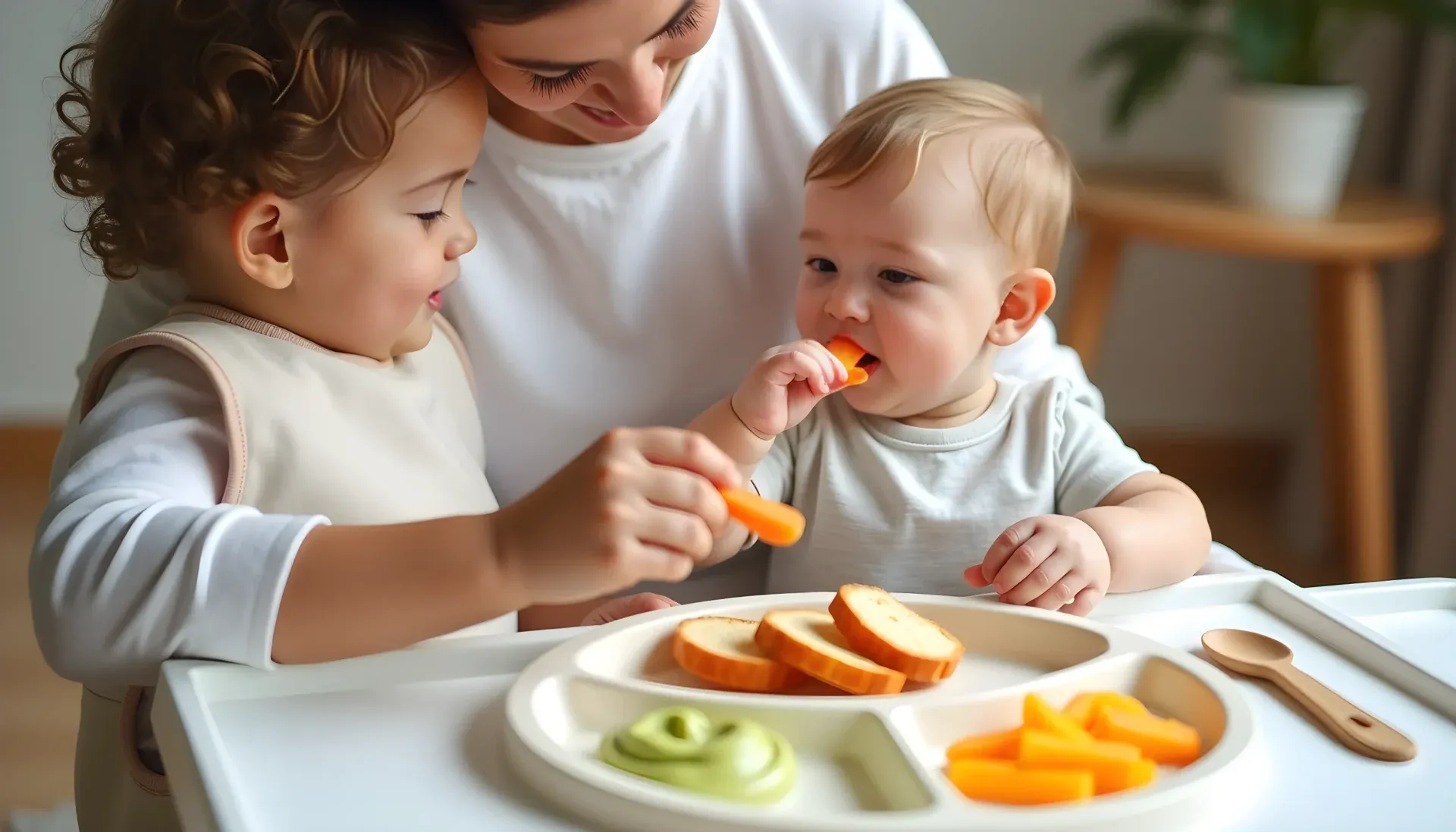
Learn how to smoothly transition purees to table food for your baby. Discover step-by-step tips, safety advice, and meal ideas. Make mealtime easier today!
Introduction: Why Transitioning Matters
Moving from purees to table food is a major milestone in a baby’s eating journey. This transition helps babies learn to chew, manage different textures, and expand their taste preferences. It also supports oral motor development, social mealtime skills, and family bonding. Many parents wonder when and how to make this shift and how to ensure it’s smooth and safe. This guide will take you through every step, from recognizing readiness signs to practical meal ideas and common challenges.
When to Start Transitioning from Purees to Table Food
Most babies are ready to begin transitioning from purees to table food between 8 to 10 months, though some show signs of readiness a bit earlier or later. According to the World Health Organization, complementary foods should be introduced at around 6 months, but the progression to more complex textures is a gradual process. Every baby develops at their own pace, so it’s important to watch for individual cues.
Signs Your Baby Is Ready
- Sits up well with minimal support
- Shows interest in your food
- Can pick up small pieces of food with fingers (pincer grasp)
- Moves food around mouth and attempts to chew
- Loss of tongue-thrust reflex (doesn’t push food out with tongue)
If you’re wondering about the best time to start solids in general, see our guide on When to Start Solids.
How to Transition Purees to Table Food: Step-by-Step
Transitioning to table food is about helping your baby learn, practice, and enjoy new textures at their own pace. Here’s a step-by-step plan:
1. Gradually Thicken Purees
Start by making purees less smooth. Mash foods with a fork or blend for less time, leaving small soft lumps. This helps babies practice moving food around their mouth and starts the chewing motion.
- Example: Instead of smooth carrot puree, try mashed carrots with soft pieces.
2. Introduce Lumpy and Soft Finger Foods
Once your baby manages thicker purees, offer soft pieces of food they can pick up and self-feed. This might include:
- Soft-cooked veggies (carrot, zucchini, sweet potato)
- Banana or ripe avocado slices
- Scrambled eggs
- Shredded or finely chopped cooked chicken
- Very soft pasta
Always supervise and cut foods into small, manageable pieces to reduce choking risk.
3. Incorporate More Variety and Textures
Expand the types of foods and textures. Offer small amounts of what the family is eating, with modifications for salt and spice. For more about introducing family foods, check out our article on Baby Led Weaning.
- Steamed broccoli florets
- Toast strips with mashed avocado
- Pancakes or soft breads
- Cooked beans, mashed or whole (if soft)
4. Encourage Self-Feeding
Place small pieces of food on the highchair tray and let your baby explore with their hands. Self-feeding develops coordination and independence, even if it gets messy! Many parents find that offering a mix of self-feeding and spoon-feeding works well during this transition.
- Provide utensils with easy grips silicone baby spoons and forks
5. Phase Out Purees Gradually
As your baby becomes more confident with table foods, reduce the frequency of purees. Some parents offer purees alongside table food until the baby consistently eats solids. By 12 months, most babies eat mainly table foods with the family, though some may still enjoy the occasional puree or pouch.
Safety Tips for Transitioning to Table Food
Safety is a top concern for most parents during this stage. Here’s what you need to know:
- Always supervise during meals
- Cut food into small, soft pieces
- Avoid hard, round, or sticky foods (whole grapes, nuts, popcorn, large chunks of meat)
- Steam or cook vegetables until soft
- Remove skin and seeds from fruits
- Offer only one new food at a time to identify allergies
The American Academy of Pediatrics advises that high-choking-risk foods should be avoided in the first few years. Read more from the AAP.
Common Challenges and How to Overcome Them
Transitioning from purees to table food doesn’t always go smoothly. Here are some common challenges and practical solutions:
Baby Refuses Table Food
Many babies are hesitant to try new textures or flavors. Try offering new foods alongside familiar ones and be patient. It can take 10-15 tries for a baby to accept a new food.
Gagging vs. Choking
Gagging is a normal part of learning to eat. Babies may gag as they learn to manage lumps and new textures. Choking is different and requires immediate attention. Learn the difference and consider taking a baby first aid course for peace of mind. WHO: Preventing choking in young children.
Messiness and Food Waste
Mealtimes can get messy, and much of the food may end up on the floor. This is part of the learning process. Use a large bib and easy-to-clean surfaces, and offer small portions at a time.
easy-clean silicone bibs with crumb catcher
Baby Isn’t Eating Much
Milk (breast or formula) remains an important source of nutrition through the first year. Solid food experiences are about learning and exploring at this stage. Offer regular meals, but don’t stress if your baby eats only a little. For more on introducing solids, visit our First Foods for Babies guide.
Table Foods to Try First: Ideas and Meal Inspiration
Not sure what to serve? Here are some baby-friendly table foods that are nutritious and safe for beginners:
- Soft-cooked vegetables (carrots, peas, squash)
- Ripe fruits (banana, ripe pear, peach, melon)
- Toast strips or small pieces of soft bread
- Cooked pasta shapes (well-cooked, soft)
- Scrambled eggs or omelet strips
- Shredded cooked chicken or turkey
- Cottage cheese or soft cheese
- Cooked beans (well-mashed)
- Pancakes cut into small pieces
Always watch for signs of allergies, especially with common allergens like eggs, wheat, and dairy. Introduce these foods one at a time as recommended by your healthcare provider.
Sample Daily Menu for a 9-Month-Old Transitioning to Table Foods
Breakfast: Scrambled egg, banana slices, small pieces of toast
Lunch: Mashed sweet potato, steamed broccoli florets, shredded chicken
Snack: Soft pear cubes
Dinner: Soft pasta with tomato sauce, cottage cheese, cooked carrot pieces
Quick Answer: How Should I Introduce Table Foods After Purees?
Start by thickening purees and offering soft finger foods like steamed veggies or ripe fruit. Gradually introduce a wider variety of textures and encourage self-feeding. Always supervise your baby and avoid high-choking-risk foods.
Key Takeaways
- Watch for readiness signs such as sitting up and picking up food before starting the transition.
- Gradually thicken purees, then offer soft finger foods in small pieces.
- Encourage self-feeding for skill development, even if it gets messy.
- Avoid choking hazards and always supervise meals.
- Be patient—babies may need several tries before accepting new textures.
Additional Tips for a Smooth Transition
Make Mealtimes Social
Let your baby join family meals. Seeing others eat encourages babies to try new foods and learn table manners.
Offer a Variety of Flavors and Textures
The more types of foods your baby tries now, the more likely they are to be adventurous eaters later. Don’t limit foods to just the ones they like best.
Respect Appetite and Cues
Babies have small stomachs and their hunger can vary. Offer food, but respect when your baby signals they are finished (turning away, pushing food away, or closing mouth).
Use the Right Tools
Soft-tipped spoons, suction bowls, and easy-grip utensils can encourage independence and make self-feeding easier. suction bowls and plates for babies
When to Seek Help
If your baby continually refuses table foods, gags or vomits frequently, or you have concerns about their nutrition, consult your pediatrician or a feeding specialist. Every baby develops at their own pace, but persistent difficulties may require support.
Conclusion
Transitioning from purees to table food is an exciting step for both parents and babies. With patience, safety, and a little creativity, mealtimes can become a joyful learning experience. Remember that every baby is different, and it’s normal for progress to be gradual. Celebrate small successes, keep offering new foods, and enjoy this special stage of discovery together.
Disclaimer: This guide is for informational purposes only and should not replace advice from your healthcare provider. Always consult a medical professional regarding your child’s health or feeding.
Frequently asked questions
- How do I know my baby is ready to transition from purees to table food?
- Signs include sitting up with support, showing interest in table foods, using a pincer grasp, and being able to chew and swallow thicker textures.
- What foods should I avoid when offering table food to my baby?
- Avoid hard, round, or sticky foods such as whole grapes, nuts, popcorn, and large meat chunks due to choking risk.
- How long does it take for a baby to switch from purees to table food?
- It varies, but most babies transition over several weeks to a few months, gradually increasing the variety and texture of foods.
- Is it normal for babies to gag when trying new textures?
- Yes, gagging is common as babies learn to manage new textures. It usually decreases with practice and exposure.